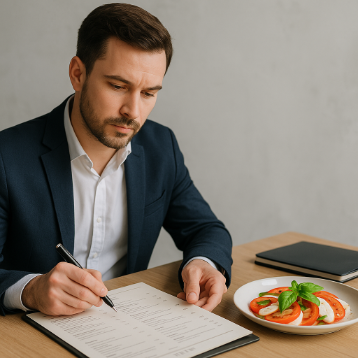
A strong menu is one of the most powerful operating tools a restaurant has, yet it is often treated like a static document instead of a living business asset. A skilled menu engineering consultant looks beyond dish names and prices to examine how the menu influences guest choices, kitchen flow, brand positioning, and overall profitability. When menu decisions are made with discipline rather than instinct, restaurants are better able to protect margins, highlight their strengths, and create a dining experience that feels intentional from the first glance to the last course.
What a Menu Engineering Consultant Looks at First
The first step in menu engineering is not redesigning the page. It is understanding the relationship between what sells, what earns, and what best represents the restaurant. Too many menus are crowded with legacy items, uneven pricing, and dishes that may be beloved internally but underperform with guests. A menu should reflect current buying habits, labor realities, ingredient costs, and the style of service the restaurant wants to deliver.
That is why a menu review usually begins with a practical audit. A consultant will study sales mix, contribution margin, plate cost, prep complexity, and the role each dish plays on the menu as a whole. For operators who need an objective outside perspective, working with a seasoned menu engineering consultant can help separate emotional attachment from commercial reality. The aim is not to strip away personality, but to make sure every item earns its place.
At this stage, several questions matter:
- Which dishes are consistently popular?
- Which items produce healthy margins?
- Which offerings create bottlenecks in prep or service?
- Where do guest expectations and menu structure feel misaligned?
- Are there too many choices in one category and too few in another?
The answers create the foundation for every later decision, from pricing to placement to removal.
Balance Popularity and Profitability
One of the clearest frameworks in menu engineering is to sort items by two measures: popularity and profitability. This helps restaurants move past vague impressions and judge dishes by their actual role in the business. Some items attract guests and make money. Some sell well but carry weak margins. Others are profitable but need stronger positioning to earn more orders.
| Category | What It Means | Typical Action |
|---|---|---|
| Stars | High popularity and high profitability | Feature prominently and protect quality |
| Plowhorses | High popularity but lower profitability | Adjust portion, garnish, or price carefully |
| Puzzles | Lower popularity but high profitability | Improve naming, placement, or server guidance |
| Dogs | Low popularity and low profitability | Consider replacing or removing |
This framework is useful because it forces better decisions. A popular item should not automatically stay unchanged if it erodes margin or strains the line. Likewise, a high-margin dish should not be ignored simply because guests overlook it on a crowded page. The best menu strategies usually come from small, thoughtful adjustments rather than dramatic overhauls.
Common improvements include:
- Refining a dish description to make the value clearer.
- Reworking portions so food cost is more sustainable.
- Moving a strong item to a more visible position.
- Eliminating redundant dishes that compete with each other.
- Renaming an item so it sounds more specific, appetizing, or aligned with the concept.
Every change should support both guest appeal and operational sense. A menu packed with underperforming items rarely feels generous; more often, it feels unfocused.
Design the Menu to Guide Decisions, Not Just Display Options
Menu design is not decoration. It is a decision environment. Guests rarely read every word in equal depth, which means placement, spacing, category structure, and visual emphasis all affect what gets ordered. An effective menu does not manipulate; it clarifies. It draws attention to the right dishes and makes the restaurant’s strengths easier to choose.
A menu engineering consultant will typically look for friction points such as dense blocks of text, inconsistent price presentation, vague section labels, or an overload of similar items. When too many dishes compete for attention, the strongest options can disappear in the noise. A cleaner menu often performs better simply because it reduces hesitation.
Principles that improve menu readability
- Clear hierarchy: Organize sections logically so guests understand the menu at a glance.
- Intentional emphasis: Use spacing, typography, and placement to highlight priority items without clutter.
- Specific language: Describe dishes in a way that communicates flavor, method, or standout ingredients.
- Price confidence: Present prices cleanly, without turning the menu into a visual grid of numbers.
- Concept consistency: Make sure tone, dish names, and layout all match the brand experience.
Pricing deserves special care. Guests assess value in context, not in isolation. A price can feel fair, expensive, or attractive depending on neighboring items, portion cues, and the confidence of the menu’s presentation. This is why pricing strategy should never be separated from design strategy. They work together.
Align the Menu with Kitchen Reality
A beautiful menu can still fail if the kitchen cannot execute it efficiently. True menu engineering respects the back of house as much as the dining room. If too many dishes rely on unique ingredients, labor-intensive garnishes, or awkward prep sequences, the menu may look appealing on paper while causing service delays, waste, and inconsistency in practice.
The strongest menus usually share a disciplined operational logic. They make smart use of overlapping ingredients, support realistic prep routines, and help the kitchen deliver quality at a steady pace. This does not mean the menu has to become generic or limited. It means creativity should be supported by structure.
Areas worth reviewing include:
- Ingredient duplication across multiple low-volume dishes
- Items that require equipment or station capacity at the wrong time
- Complex builds that slow service during peak periods
- Portions that create unnecessary waste or inconsistent plating
- Seasonal ingredients that are difficult to source reliably
Restaurants often improve performance not by adding more choice, but by editing with discipline. A tighter menu can sharpen purchasing, improve staff confidence, and create a more consistent guest experience. In many cases, it also makes training easier because the team understands which dishes matter most and why.
Treat Menu Engineering as an Ongoing Discipline
One of the biggest mistakes operators make is treating menu engineering as a one-time project. Costs change. Guest preferences shift. Signature items lose momentum. New dishes outperform expectations. A menu that worked a year ago may no longer reflect the restaurant’s best opportunities.
The most resilient restaurants build a regular review process around the menu. That process does not need to be complicated, but it should be consistent and grounded in real performance. Monthly or quarterly review points are often enough to catch issues before they become expensive habits.
A practical review checklist
- Pull sales and margin data by item and category.
- Identify dishes that are rising, slipping, or stagnant.
- Review food cost changes and supplier impact.
- Gather service and kitchen feedback on execution.
- Adjust descriptions, placement, pricing, or lineup where needed.
- Measure the effect of changes rather than relying on assumption.
This ongoing discipline keeps the menu responsive without making it unstable. Guests still want familiarity, especially with signature dishes, but they also benefit when the menu stays sharp, relevant, and easy to navigate. Good menu engineering preserves identity while improving performance.
Conclusion: Why a Menu Engineering Consultant Matters
The value of a menu engineering consultant lies in bringing structure to one of the most emotional parts of restaurant operations. Menus carry history, creativity, and pride, but they also need to perform. The best strategies unite guest appeal, sound pricing, strong margins, and kitchen practicality in a way that feels seamless rather than forced.
When a menu is engineered well, it becomes easier for guests to choose, easier for staff to sell, and easier for the business to sustain. That is the real goal: not a trend-driven redesign, but a smarter menu that reflects what the restaurant does best and supports it every day. In a competitive hospitality environment, that kind of clarity is not a luxury. It is an operational advantage.
************
Want to get more details?
Chef Juan Forciniti | Catering | Private Chef | Delaware, Pennsylvania, Maryland
https://www.juanforciniti.com/
Clive – Iowa, United States
Paul Forciniti is a restaurant consultant specializing in kitchen systems, operational structure, menu engineering, and food cost control for restaurants and hospitality groups.
With more than 20 years of international experience working in cities such as Buenos Aires, Paris, Mexico City, New York, and Washington D.C., he helps restaurants improve efficiency, profitability, and operational discipline through strategic culinary consulting.
His work focuses on restaurant openings, operational restructuring, kitchen management systems, and menu development for independent restaurants and hospitality projects.

