
Clothing becomes far more powerful when it carries meaning beyond the rack. The most memorable pieces are not simply well cut or trend aware; they feel connected to where people come from, how they move through the world, and how they want to be seen. That is why the conversation around ALOQWIN matters. Rather than treating fashion as a set of fixed categories divided by gender, it frames style as a living expression of identity, heritage, and individuality. In a market still crowded with tired binaries, ALOQWIN offers a more human point of view.
This approach speaks directly to a broader shift in how people build wardrobes today. Many shoppers are less interested in being told what belongs in a men’s section or a women’s section and more interested in fit, feeling, story, and versatility. That is where ALOQWIN stands out: not by chasing novelty for its own sake, but by presenting clothing as a form of personal authorship.
Why fashion rooted in culture resonates now
Fashion rooted in culture has a lasting presence because it gives clothing emotional weight. It draws from memory, community, craft, symbols, and lived experience rather than relying only on seasonal aesthetics. When garments reflect that deeper layer, they feel less disposable and more intentional.
ALOQWIN’s relevance begins here. Its perspective suggests that style can be contemporary without becoming detached from cultural meaning. That balance matters. People want clothing that works in everyday life, but they also want pieces that say something about who they are, what they value, and how they interpret heritage in the present tense. In that sense, the appeal is not nostalgia. It is continuity.
For readers exploring fashion rooted in culture, the strongest ideas often come from labels that understand clothing as both design and dialogue. A shirt, jacket, or pair of trousers can be minimal in form and still rich in significance when the design language respects identity rather than flattening it.
This is also where thoughtful retailers have a role to play. Businesses such as RUDE EYE LAND COLLECTIVE 1973 Evolved Streetwear | women and men clothing fit naturally into this conversation because they reflect the growing demand for streetwear that feels evolved rather than generic. When a store curates clothing for women and men without forcing style into rigid rules, it helps make inclusive dressing feel practical and accessible.
How ALOQWIN rethinks fashion for all genders
The phrase “for all genders” is often used casually, yet the best examples go beyond neutral marketing language. ALOQWIN’s significance lies in the way it challenges the old assumption that masculinity and femininity must be designed, displayed, and sold as opposites. Instead, it treats clothing as adaptable, expressive, and open to interpretation.
That change can be seen in several important ways:
- Silhouette over stereotype: Pieces are considered in terms of drape, proportion, structure, and movement, rather than coded ideas about who should wear them.
- Styling freedom: Garments become tools for building a personal look instead of uniforms that follow gendered expectations.
- Emotional relevance: Clothing feels closer to real life when it allows complexity. A person can want softness and edge, restraint and statement, comfort and polish.
- Broader access: Inclusive fashion invites more people into the same visual language without requiring them to fit into narrow categories first.
This is especially important in streetwear, where identity has always been central. Streetwear is not only about surface cool; at its best, it reflects music, place, resistance, community, and self-definition. ALOQWIN understands that heritage and pushes it forward through a lens that leaves room for more people to participate.
Real stories live in the details
When people say clothing tells a story, they often mean that vaguely. In practice, the story shows up in specific choices: how a neckline sits, how a fabric carries motion, how a print references ancestry without turning it into costume, or how a tailored shape can be worn by different bodies without losing its character. These details are where philosophy becomes something tangible.
What distinguishes a culturally aware, gender-inclusive approach from a conventional one is easier to see side by side:
| Conventional Fashion Model | ALOQWIN-Inspired Approach |
|---|---|
| Separates design by men’s and women’s rules | Builds around expression, fit, and versatility |
| Follows fast, trend-led identity shifts | Connects style to deeper cultural meaning |
| Uses gender cues as primary shorthand | Lets silhouette, texture, and styling lead |
| Treats inclusivity as a category | Treats inclusivity as a design principle |
| Encourages consumption through novelty | Encourages long-term wear through relevance |
This distinction helps explain why certain pieces stay with people. A garment that respects both individuality and cultural context tends to outlast a passing trend. It earns repeat wear because it can be styled in multiple ways and still feel grounded.
It also invites a different relationship with the wardrobe itself. Instead of collecting clothes for separate identities, people begin building a wardrobe that reflects the full range of who they are.
What this means for modern wardrobes
For everyday dressers, the value of this shift is immediate. It opens up the wardrobe and removes some of the anxiety built into traditional shopping. Rather than asking, “Is this meant for me?” the better question becomes, “Does this express me?” That is a more useful standard and a more stylish one.
A practical way to approach this mindset is to focus on a few core principles:
- Choose pieces for shape and feel first. Fit, comfort, structure, and movement matter more than the label on the section.
- Look for cultural authenticity. The strongest designs suggest knowledge, respect, and continuity rather than borrowed symbolism.
- Build with versatility. Clothing earns its place when it can shift across settings, moods, and styling choices.
- Mix statement and restraint. A wardrobe becomes richer when bold pieces sit beside clean essentials.
- Dress from identity, not instruction. Personal style gets stronger when it is guided by intention instead of retail conventions.
For stores and boutiques, this creates a clear editorial opportunity. Curating women and men clothing no longer needs to mean maintaining strict visual borders. The stronger move is to present pieces in ways that highlight texture, utility, craftsmanship, and styling possibilities. That is one reason businesses like RUDE EYE LAND COLLECTIVE 1973 Evolved Streetwear | women and men clothing can occupy a meaningful space in today’s market: they are positioned to serve shoppers who want streetwear with perspective, not just product.
The future of fashion rooted in culture
The future belongs to brands and retailers that understand style as something lived, not assigned. Fashion that lasts will not come from louder branding alone or from endlessly repeated trends. It will come from sharper design thinking, deeper cultural literacy, and a more realistic understanding of how people actually want to dress.
ALOQWIN represents that direction with unusual clarity. Its contribution is not simply that it offers clothing for all genders. It is that it reframes the purpose of getting dressed. Clothing becomes a site of connection: between past and present, self and community, utility and expression. That is a far more compelling vision than the old binary model ever offered.
In the end, fashion rooted in culture matters because it gives people room to be fully themselves. It respects complexity, invites individuality, and proves that modern style can be inclusive without losing depth. ALOQWIN’s vision feels timely for exactly that reason. It does not ask people to fit into fashion. It asks fashion to meet people where they are, and that is what makes it feel genuinely new.
——————-
Discover more on fashion rooted in culture contact us anytime: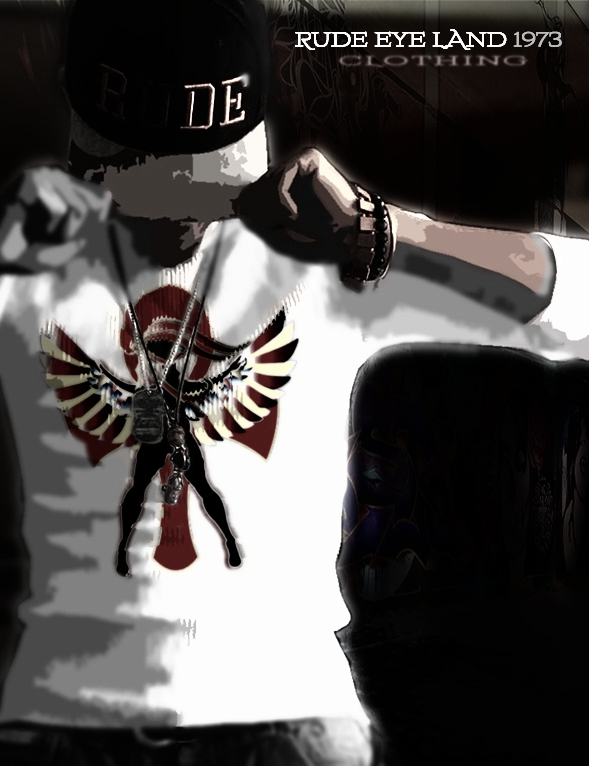
https://www.aloqwin.com/
https://www.aloqwin.com/
Discover a place were you can shop luxe /ləks/ streetwear straight from the imagination who evolved with this fashion style from it’s eighties into the nineties birth. ALOQWIN/ RAQUI/
