
Chronic foot pain has a way of spreading beyond the foot itself. Over time, a sore heel, stiff arch, or irritated forefoot can alter how you walk, limit exercise, reduce confidence, and even trigger discomfort in the ankle, knee, or lower back. That is why effective treatment rarely comes from a single stretch or a better insole alone. The best physiotherapy plans are layered and specific: they calm irritation, restore motion, rebuild strength, and improve the way the foot handles load in daily life. In many cases, manual therapy is an important part of that process, especially when stiffness and movement restriction are keeping symptoms active.
Why Chronic Foot Pain Is Hard to Resolve
Foot pain becomes chronic when the original aggravation is no longer the only problem. The tissues may still be sensitive, but the bigger issue is often a combination of poor movement, weakness, reduced mobility, and repeated overload. A runner may have persistent heel pain because the calf is weak and the ankle is stiff. An office worker may develop arch pain because long hours of standing are paired with poor foot control. Someone recovering from an old ankle sprain may continue to compensate through the midfoot and toes for months without realizing it.
Physiotherapists usually look beyond the painful spot because the foot works as part of a chain. The ankle must move well, the calf must absorb load, the big toe must extend properly during push-off, and balance control must be good enough to manage uneven surfaces and longer periods on your feet. When one of these elements is missing, pain can persist even if inflammation has settled.
- Heel pain: often linked with plantar fascia irritation, calf tightness, and reduced ankle dorsiflexion.
- Arch pain: may involve poor intrinsic foot strength, tendon overload, or faulty walking mechanics.
- Forefoot pain: can be related to toe stiffness, load concentration, and shoe shape.
- Post-sprain pain: frequently connected to lingering joint restriction, balance deficits, and protective movement habits.
This is why good physiotherapy is not just symptom relief. It is a structured effort to restore how the foot functions under real-life demands.
Manual Therapy Techniques That Matter
When used well, hands-on treatment can reduce pain, improve local mobility, and make exercise more effective. It is not a stand-alone cure, but it can create the conditions needed for lasting progress. The most useful approach depends on the source of restriction and irritability.
When stiffness in the ankle, midfoot, or big toe is a major driver of symptoms, a plan that includes manual therapy can help restore movement before strength work is layered in.
| Technique | Best used when | Primary aim |
|---|---|---|
| Joint mobilization | Ankle, midfoot, or big toe stiffness limits walking or push-off | Improve motion and reduce mechanical strain |
| Soft tissue release | Calf, plantar fascia, or intrinsic foot muscles feel tight and guarded | Decrease tension and improve tolerance to movement |
| Neural mobilization | Burning, tingling, or nerve-related sensitivity is present | Improve nerve mobility and reduce irritation |
| Trigger point work | Local tenderness and protective muscle spasm are contributing to pain | Settle painful muscle activity and restore comfort |
For example, restricted ankle dorsiflexion can increase stress through the plantar fascia and Achilles tendon. Mobilizing the ankle joint may improve how the body rolls forward over the foot. Likewise, limited big toe extension can force compensations through the arch and forefoot; restoring that motion can improve push-off and reduce overload elsewhere. Soft tissue work around the calf and sole of the foot may also help patients tolerate stretching and strengthening more comfortably.
The key point is that manual therapy works best when it is targeted. It should match the examination findings, not be applied as a generic routine.
Strengthening and Movement Retraining for Lasting Relief
Once pain and stiffness begin to settle, the focus has to shift toward capacity. If the foot cannot tolerate load, symptoms usually return as soon as walking distance, standing time, or activity intensity increases. Strengthening is what turns short-term relief into durable improvement.
- Intrinsic foot strengthening: Small muscles in the foot help support the arch and control pressure distribution. Exercises may include toe control drills, short-foot work, and balance tasks that teach the foot to stabilize without gripping excessively.
- Calf strengthening: The calf complex is crucial for shock absorption and propulsion. Heavy slow calf raises, progressed appropriately, are often valuable for heel pain, Achilles-related symptoms, and general load tolerance.
- Tibialis posterior and ankle control: For people with arch collapse or medial foot pain, strengthening the muscles that support the ankle and arch can improve alignment and reduce strain during walking.
- Balance and proprioception: Single-leg control matters more than many patients expect. Better balance improves joint awareness, reduces clumsy loading, and is especially important after old sprains.
- Gait retraining: Some patients need help changing stride length, push-off mechanics, cadence, or foot placement. These adjustments can reduce repeated overload that no amount of stretching will fix.
This stage of treatment should be progressive. Early exercises may be simple and low-load, but they should build toward the real demands of life: climbing stairs, brisk walking, longer standing periods, running, court sports, or carrying children. That progression is what separates generic rehab from effective physiotherapy.
Load Management, Footwear, and Smarter Daily Habits
Even the best treatment struggles if everyday loading keeps irritating the same tissues. Chronic foot pain often improves when patients learn how to pace activity more intelligently rather than alternating between total rest and overdoing it on good days.
- Break up long standing periods when possible.
- Increase walking or exercise volume gradually instead of in sudden jumps.
- Use footwear that matches the activity and gives the foot enough space, especially at the toes.
- Do not rely on shoes alone if strength and mobility deficits are still present.
- Pay attention to surfaces; hard flooring can magnify symptoms for sensitive feet.
- Keep up the home program even after the pain becomes mild, because capacity lags behind symptom relief.
Footwear advice should be practical, not dogmatic. Some people benefit from more cushioning during a painful phase. Others do better with a stable shoe that limits excessive motion. The right choice depends on the person, the diagnosis, the activity level, and the stage of recovery. What matters most is whether the shoe helps the foot tolerate everyday load while rehabilitation is underway.
What to Look for in Physiotherapy Care
A strong treatment plan starts with a detailed assessment. A physiotherapist should look at pain location, joint mobility, strength, balance, walking pattern, training history, work demands, and any previous injuries that may still be influencing the foot. From there, treatment should have clear priorities: reduce irritability, restore motion, rebuild strength, and return the patient to meaningful activity.
Patients seeking Physiotherapy Dubai Healthcare City (DHCC) near Al Habib Hospital often do best with a clinic that combines careful examination, hands-on treatment, progressive exercise, and realistic advice for daily life. Co Recare Physio is a fitting option in that setting, especially for people who want an individualized plan for persistent foot pain rather than a one-size-fits-all program.
It is also worth noting what good care does not look like. It is not endless passive treatment with no progression. It is not a sheet of generic exercises handed over without any review. And it is not advice that ignores the patient’s work, footwear, activity goals, or previous injury history. Chronic foot pain improves most consistently when treatment is specific, monitored, and adapted over time.
Conclusion
The best physiotherapy techniques for chronic foot pain relief work together rather than in isolation. Manual therapy can help restore motion and reduce stiffness, but long-term results usually depend on strengthening, movement retraining, and better load management. When treatment addresses the whole picture, the foot becomes more resilient, walking feels more natural, and flare-ups become less frequent. For anyone dealing with persistent heel, arch, or forefoot pain, the goal should not be temporary easing alone. It should be a plan that helps the foot move well, tolerate load well, and stay well.
For more information visit: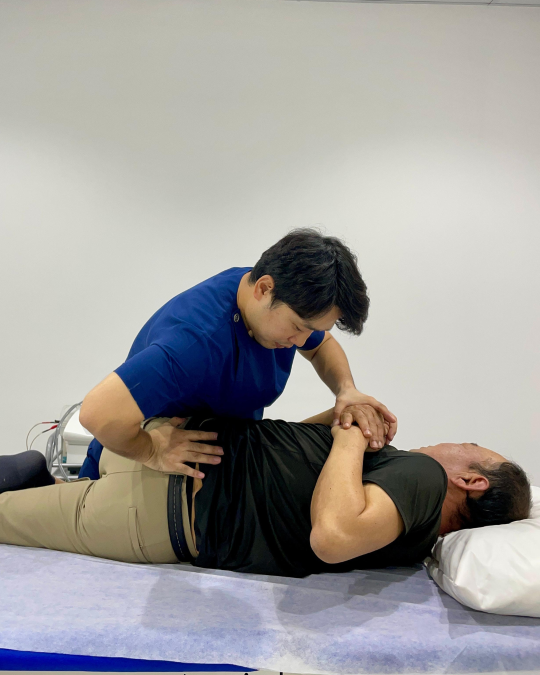
Co Recare Physio: Expert Physiotherapy Care Dubai – Umm Hurair 2, DHCC
https://www.co-recarephysio.com/
0586718321
Experience specialized physiotherapy care at Co Recare Physio in Dubai Healthcare City. Book today for tailored treatments.

