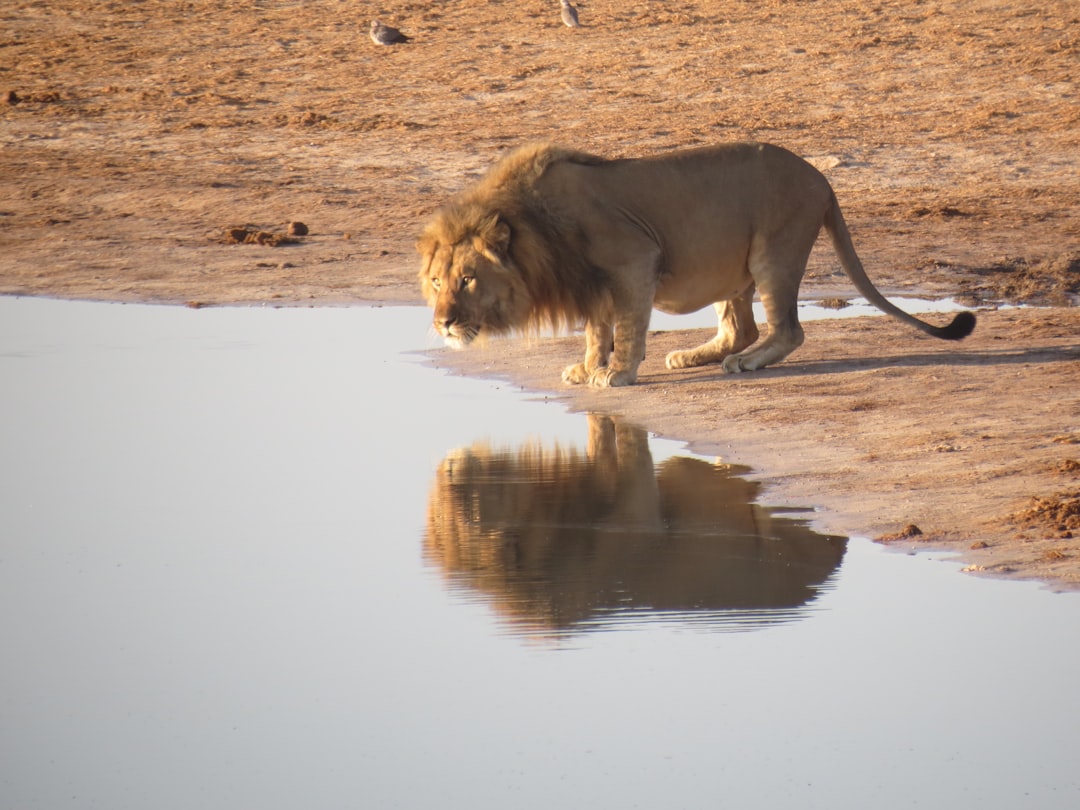
The Great Migration is one of the most compelling wildlife spectacles on earth, but there is no single perfect month to see it. In Tanzania, the movement of wildebeest, zebra, and accompanying predators unfolds across changing landscapes and seasons, which means the best time to go depends on the experience you want most. Some travelers hope for dramatic river crossings, others want open plains filled with newborn calves, and many simply want immersive African wildlife adventures with excellent game viewing throughout the journey.
Understanding the Great Migration in Tanzania
The Great Migration is a year-round cycle rather than a one-time event. The herds move in response to rain, grazing conditions, and breeding patterns, and much of that movement takes place within Tanzania’s Serengeti ecosystem. Because the migration is constantly shifting, timing and route matter more than a generic peak season label.
What makes Tanzania so remarkable is the variety of migration experiences available within one destination. In the southern Serengeti and Ndutu region, the early part of the year brings calving season, when the plains are rich and green and predators are never far away. As the land begins to dry, the herds push west and north through the Serengeti, eventually gathering in areas known for river crossings and concentrated dry-season wildlife viewing.
That means a safari in Tanzania can be tailored with unusual precision. Rather than asking only, When is the migration? the better question is, Which chapter of the migration do I most want to witness?
Best Time to Visit Based on the Experience You Want
If your priority is matching the right season to the right sighting, this simple breakdown can help clarify the best time to travel.
| Time of Year | Best Area in Tanzania | What You May See | Best For |
|---|---|---|---|
| December to March | Southern Serengeti and Ndutu | Calving season, predator activity, lush plains | Newborn wildlife, dramatic hunting scenes, green-season beauty |
| April to June | Central and Western Serengeti | Large moving herds, rutting behavior, fewer visitors | Quieter safaris, sweeping landscapes, migration movement |
| July to October | Northern Serengeti | River crossings, dry-season game viewing, concentrated wildlife | Iconic migration moments, classic safari conditions |
| November | Central and Southern Serengeti | Southward return as rains begin | Transitional travel, mobile herds, refreshed scenery |
For many first-time visitors, July through October is the most famous period because of the possibility of river crossings in the north. These moments are unforgettable, but they are also unpredictable. A herd may gather for hours before crossing, or change direction entirely. Travelers who understand that uncertainty often enjoy the experience more, because the wider safari remains exceptional even if a crossing does not happen on cue.
For those who value abundance over spectacle, January and February are often especially rewarding. Calving season turns the southern plains into a cradle of life, with vulnerable young animals attracting lions, cheetahs, hyenas, and other predators. The drama is different from a river crossing, but no less powerful.
Seasonal Highlights Across the Serengeti
December to March: Calving Season in the South
This is one of the most emotionally rich times to travel. The southern Serengeti and Ndutu area are green, open, and full of life. Vast herds spread across the plains, and the presence of newborn calves creates near-constant predator tension. Photographers often love this season for its soft light, fresh landscapes, and active wildlife behavior.
It is also an excellent period for travelers who want depth rather than only headline moments. The drama here is woven into daily game drives: protective mothers, stalking cats, scavengers waiting nearby, and plains that feel full of movement in every direction.
April to June: Movement, Rutting, and Fewer Crowds
As the rains taper off and the ground begins to change, the herds start moving through central and western parts of the Serengeti. This period can be underrated. While some roads may be affected by seasonal weather, the migration is very much alive, and there is often a stronger sense of motion as the animals advance in long columns.
May and June can also bring rutting behavior, when competition among males adds another layer of intensity. For travelers who prefer a slightly quieter atmosphere and do not mind a more fluid migration pattern, this can be an excellent time to go.
July to October: Northern Serengeti and River Crossing Season
This is the season most closely associated with classic migration imagery. In the northern Serengeti, herds gather near river systems and may attempt crossings that are dramatic, chaotic, and unforgettable. The dry season also makes general wildlife viewing strong, since animals are often easier to spot around water and on thinner vegetation.
That said, this is typically the most sought-after period, so early planning is wise. Camps and lodges in prime northern locations are especially valuable because proximity matters. Long transfers can dilute time in the field, while staying near likely crossing zones gives you more flexibility to respond to the herds.
November: The Return South
November is a transitional month, often overlooked by travelers who focus only on peak dry-season travel. As the short rains begin, the migration starts to shift again, and the landscape softens. The exact location of the herds can vary, but this period can offer a compelling balance of movement, atmosphere, and reduced visitor pressure.
Weather, Crowds, and What They Mean for Your Safari
The best time for African wildlife adventures is not only about animal movement. Weather, road conditions, photography, crowd levels, and your own comfort all shape the experience.
- Dry season travel usually offers easier wildlife spotting, classic safari conditions, and strong access to northern migration areas.
- Green season travel brings richer scenery, fewer vehicles in many areas, beautiful skies, and exceptional calving-season viewing.
- Peak demand months can deliver iconic sightings, but they also require earlier booking and a clearer understanding that nature never follows a schedule.
For some travelers, the quieter months feel more intimate and exclusive. For others, the chance of witnessing a river crossing makes peak season worth the extra planning. Neither choice is inherently better. The key is aligning expectations with seasonality.
How to Plan the Right Great Migration Safari
A well-planned migration safari is less about chasing a guaranteed scene and more about choosing the right region at the right time, then building in enough flexibility to let the bush reveal itself. That is where experience on the ground matters.
For travelers comparing routes and seasonal windows, African wildlife adventures can be shaped around calving season in the south, mobile herds in central Serengeti, or river crossing opportunities in the north. African Mamba Safaris takes a measured approach to this planning, helping guests match travel dates, camp locations, and wildlife priorities without overpromising what no operator can control.
Before you book, it helps to work through a few essentials:
- Choose your priority sighting. Decide whether you most want calving season, predator action, open-plain herd viewing, or river crossings.
- Match your route to the month. The Serengeti is vast, and being in the wrong sector at the right time of year can mean missing the main movement.
- Allow enough nights. A longer stay improves your chances of seeing meaningful behavior, especially when the herds are mobile.
- Stay flexible. The migration can shift with rainfall, so the best itineraries leave room for informed adjustments.
- Think beyond the migration. Even when the herds are between phases, Tanzania still offers outstanding resident wildlife, landscapes, and birdlife.
It is also worth remembering that the Great Migration should not be judged only by its most photographed moments. A distant dust line on the plains, the sound of restless herds at dawn, or the sight of predators pacing the edge of a calving ground can be just as memorable as a dramatic crossing.
Conclusion
The best time to experience the Great Migration in Tanzania depends on the story you want your safari to tell. If you are drawn to new life and relentless predator action, the southern Serengeti in the early months of the year is hard to beat. If you dream of river crossings and classic dry-season game viewing, the north comes into its own from midyear into early autumn. And if you value movement, atmosphere, and a more nuanced encounter with the Serengeti, the shoulder periods can be deeply rewarding.
At its best, Tanzania offers more than a checklist of sightings. It delivers scale, rhythm, unpredictability, and the kind of immersion that defines truly memorable African wildlife adventures. Choose your season carefully, plan with people who understand the migration’s shifting patterns, and you will give yourself the best possible chance of seeing this extraordinary natural cycle at its most compelling.
For more information on African wildlife adventures contact us anytime:
African Mamba Safaris
https://www.africanmambasafaris.com/
Arusha, Tanzania, United Republic of
African Mamba Safaris is a Top company dedicated to share an adventurous journey of exploring life and beauty of our country, like our clients we are passionate to learn, discover & explore the vast corners of the world. we therefore understand the excitement, constant thinking and yearning for every hour of everyday that a journey may cause and therefore invite you to partner with us on a stress-free journey in exploring this beautiful country with joy & much needed fun!!!
