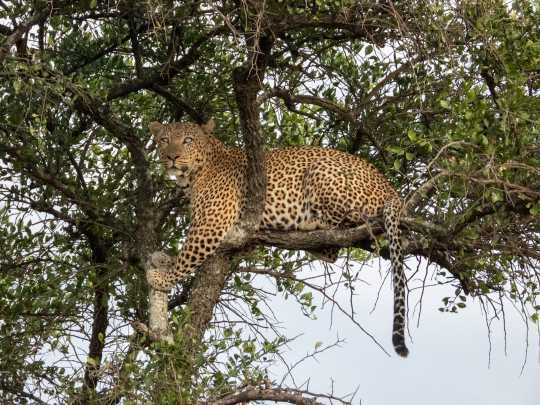
A Tanzania safari rewards thoughtful preparation. The landscapes are grand, the rhythm of each day is shaped by light and wildlife movement, and the difference between a good trip and an unforgettable one often comes down to choices made before you ever board a plane. If you want your Tanzania wildlife experiences to feel immersive rather than rushed, comfortable rather than chaotic, and memorable for the right reasons, a clear checklist is the best place to start.
Choose the right season, pace, and safari style
The first decision is not which camera lens to bring or which lodge looks best online. It is understanding what kind of safari you actually want. Some travelers are drawn to long game drives across open plains, some want a fly-in itinerary with more privacy and less time on the road, and others hope to pair the bush with a few restorative days on Zanzibar’s coast.
Season matters because it shapes visibility, road conditions, and the feel of the bush. Dry months often make wildlife easier to spot near water sources, while greener periods can offer dramatic scenery, softer light, and a quieter atmosphere in some areas. Neither is automatically better. The better choice is the one that suits your priorities.
| Priority | Best fit | What to expect |
|---|---|---|
| Classic big-game viewing | Dry-season safari | Concentrated wildlife, easier tracking, dustier conditions |
| Scenic landscapes and birdlife | Green-season safari | Lush surroundings, fewer crowds in some areas, occasional rain |
| Maximum comfort and minimal transit | Fly-in safari | Faster transfers, more time in camp and on game drives |
| Wildlife plus beach | Safari and Zanzibar combination | Balanced itinerary with adventure followed by rest |
It is also wise to be realistic about pace. Trying to cover too many parks in too few days can turn a dream trip into a sequence of check-ins and check-outs. A smaller number of well-chosen stops usually creates a richer experience than an overfilled itinerary.
Build your itinerary around experience, not just famous names
Tanzania’s most celebrated destinations are celebrated for a reason, but the best itineraries are shaped by how you want to spend your days rather than by a list of places you feel obliged to tick off. The Serengeti delivers scale, movement, and classic safari drama. Ngorongoro Crater offers a compact and striking setting for concentrated wildlife viewing. Tarangire is prized for its baobabs, elephant sightings, and distinct atmosphere. Lake Manyara can work well as part of a northern circuit, especially for travelers who appreciate varied scenery.
When comparing routes, camps, and travel styles, looking closely at Tanzania wildlife experiences in terms of drive times, seasonal strengths, and the overall flow of each day will help you make a more intelligent choice than simply selecting the most familiar park names.
A practical way to plan is to rank your priorities first and map the trip from there.
- Decide your main goal. Is it predator sightings, broad landscapes, birdlife, photography, family travel, or a honeymoon-style escape?
- Choose your core parks. Two or three well-matched areas often work better than a long list of brief stops.
- Match the itinerary to your energy. Some travelers enjoy overland circuits; others prefer fly-in connections to protect time and comfort.
- Leave room for stillness. A safari should include moments to absorb the setting, not just move through it.
If you are considering a more polished and seamless journey, a specialist operator such as Safari Roam can be especially helpful in balancing classic game-viewing highlights with practical details like camp transitions, regional flights, and a Zanzibar extension that feels restorative rather than tacked on.
Pack for comfort, respect, and changing conditions
Packing well is less about bringing more and more about bringing the right things. Tanzania safari days begin early, temperatures can shift between cool mornings and warm afternoons, and luggage limits may matter on light aircraft. Soft-sided bags are often easier to manage than hard suitcases, especially on fly-in itineraries.
Your wardrobe should be comfortable, breathable, and neutral in tone. You do not need an elaborate safari costume. You do need layers, sun protection, and footwear that works on uneven ground.
Your essential packing checklist
- Lightweight neutral clothing: shirts, trousers, and a light jacket or fleece for early drives
- Comfortable closed shoes: practical for transfers, lodge grounds, and bush walks where permitted
- Sun protection: hat, sunglasses, and high-quality sunscreen
- Insect protection: repellent and any personal essentials for evenings outdoors
- Binoculars: one of the best ways to deepen the safari experience
- Camera gear and chargers: plus extra memory cards and a power bank
- Travel documents: passport, visa paperwork if required, insurance details, and flight information
- Personal medication: kept in hand luggage with basic health items
It is worth thinking beyond utility alone. Respectful travel also means dressing appropriately in shared spaces, keeping gear unobtrusive during wildlife viewing, and avoiding anything that makes the experience more intrusive for other guests or more disruptive in the bush.
Handle the practical details before they become problems
Smooth safaris are built on quiet efficiency. The less time you spend untangling logistics, the more fully you can settle into the experience. Confirm your passport validity well in advance, check entry requirements carefully, and review any health guidance that applies to your route and travel history. Keep printed and digital copies of key documents in separate places.
Money is another detail worth sorting early. In remote areas, card facilities can be inconsistent, and it is sensible to carry some cash in useful denominations for gratuities and incidental purchases. Ask your operator ahead of time about tipping customs, baggage allowances, transfer procedures, and laundry availability at camp.
Just as important are the softer rules of safari etiquette. These shape not only your own experience but that of everyone around you.
- Be punctual for game drives. Wildlife viewing often depends on the early hours.
- Keep noise low. Quiet allows you to notice more and helps preserve the atmosphere.
- Follow your guide’s instructions. They are essential for safety and respectful wildlife viewing.
- Do not chase sightings. Patience usually leads to better moments than urgency.
- Ask before photographing people. Courtesy matters as much as composition.
These details may seem small, but together they create the difference between a trip that feels fragmented and one that unfolds with ease.
Make every game drive count
Once you are in Tanzania, the goal is not simply to see as much as possible. It is to see well. That means slowing down, listening to your guide, and paying attention to the ecosystem rather than only the headline sightings. A lion in long grass can be extraordinary, but so can the warning calls of birds, the movement of elephants through dust at sunset, or the changing colors across the plains after rain.
To get more from each day, try a few simple habits. Keep your camera ready but do not let it dominate every moment. Alternate between looking through binoculars and looking with your own eyes. Ask questions about tracks, behavior, habitat, and seasonal movement. If your itinerary allows, balance long drives with rest at camp so that the experience remains fresh rather than exhausting.
It also helps to manage expectations. Wildlife does not perform on schedule, and that unpredictability is part of the privilege of being there. Some of the finest safari memories come from atmosphere, silence, and surprise rather than from any single checklist sighting.
In the end, the most successful Tanzania wildlife experiences are the ones shaped with intention. Choose a pace that lets the landscape breathe, pack for comfort rather than image, prepare the practical details early, and leave room for wonder once you arrive. With the right planning and a thoughtful partner on the ground, your Tanzania safari adventure can feel not only well organized, but deeply lived.
Find out more at
Tanzania Safari Packages | Safari Roam
https://www.safariroam.com/
Arusha, Tanzania, United Republic of
